
The 6 Main Types of Tea
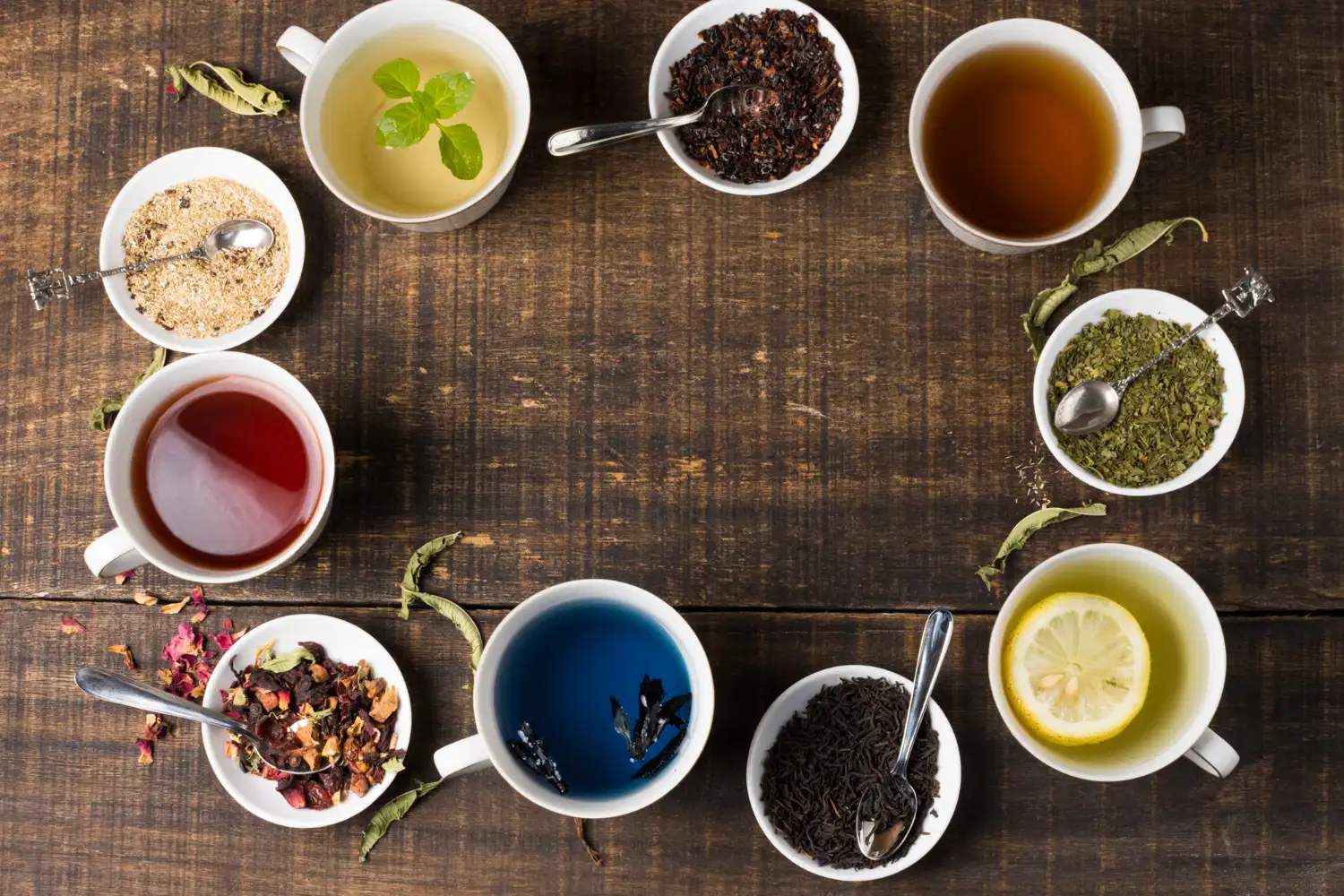
Tea experts group true teas into six main categories based on how much they are oxidized during processing.
White Tea
White tea gets picked young and dried with minimal processing. That gives you a light, delicate cup with subtle floral notes and very little bitterness.
Green Tea
Green tea skips oxidation entirely. The leaves get heated right after picking, which locks in a grassy, fresh flavor and a strong dose of antioxidants.
Yellow Tea
Yellow tea follows a process similar to green tea, but with an extra slow-drying step. That step mellows out the flavor and softens the grassy edge you get from green tea.
Oolong Tea
Oolong tea sits in the middle of the oxidation spectrum, anywhere from 10 to 80 percent. That range gives you everything from light and floral to rich and toasty within one category.
Black Tea
Black tea gets fully oxidized, turning the leaves dark and producing the bold, malty flavor you probably already know from your morning cup.
Pu-erh Tea
Pu-erh tea goes through a fermentation process that ages the leaves, sometimes for years. The result is a deep, earthy flavor unlike anything else on this list.
What Makes Each Type of Tea Different
The differences between tea types come down to a handful of factors, not just which plant they are grown from.
Once you understand these factors, you can guess how a tea will taste before you even take a sip.
Oxidation Level
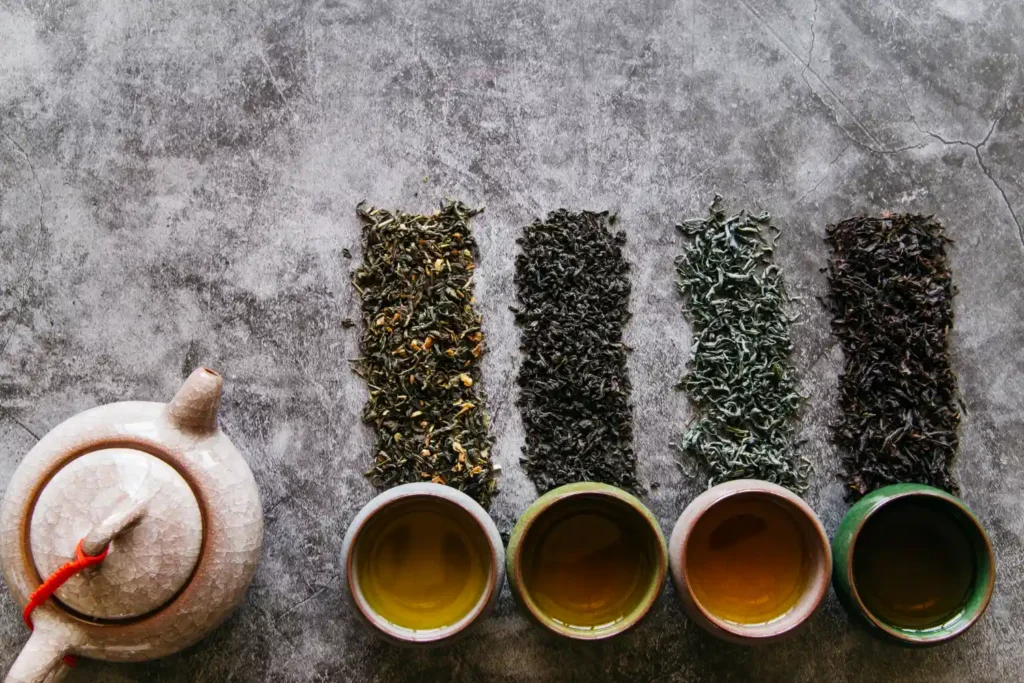
Oxidation is the biggest factor of all. The longer the leaves oxidize, the darker and bolder the finished tea becomes.
Processing Method
Rolling, firing, steaming, and drying each shape the final flavor. Two teas with the same oxidation level can still taste completely different depending on how they are handled.
Caffeine Content
Caffeine varies by type, but it is not as simple as darker tea meaning more caffeine. Leaf size, brew time, and water temperature all play a role too.
Flavor Profile
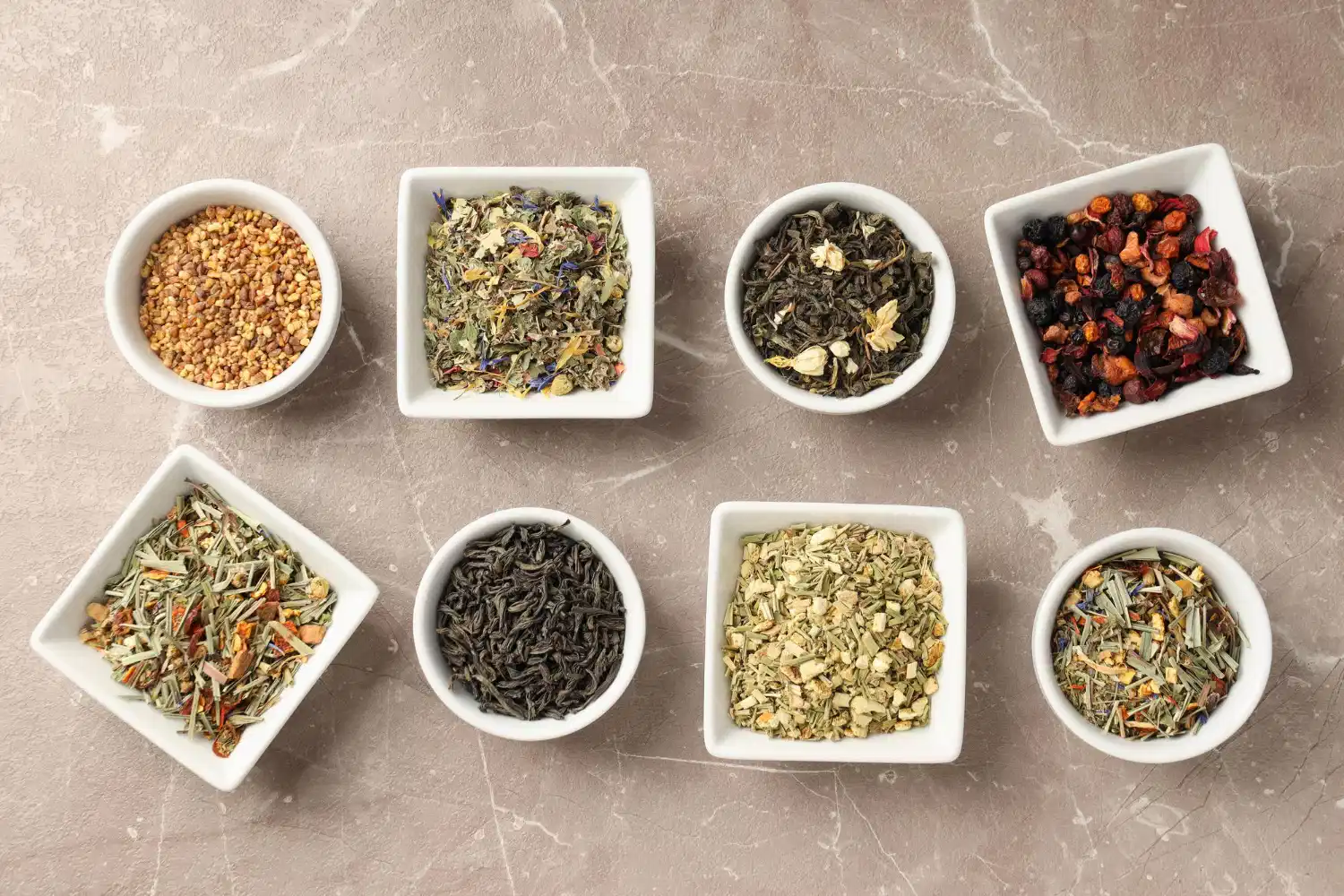
Flavor ranges from grassy and vegetal to sweet and fruity to deep and earthy, giving you a huge range to explore across all six types.
Choosing the Right Tea for You
Not sure where to start? Match your goal to the tea type below.
For Beginners
Start with green tea. It is widely available, easy to brew, and gives you a solid baseline for comparing other types later on.
For an Energy Boost
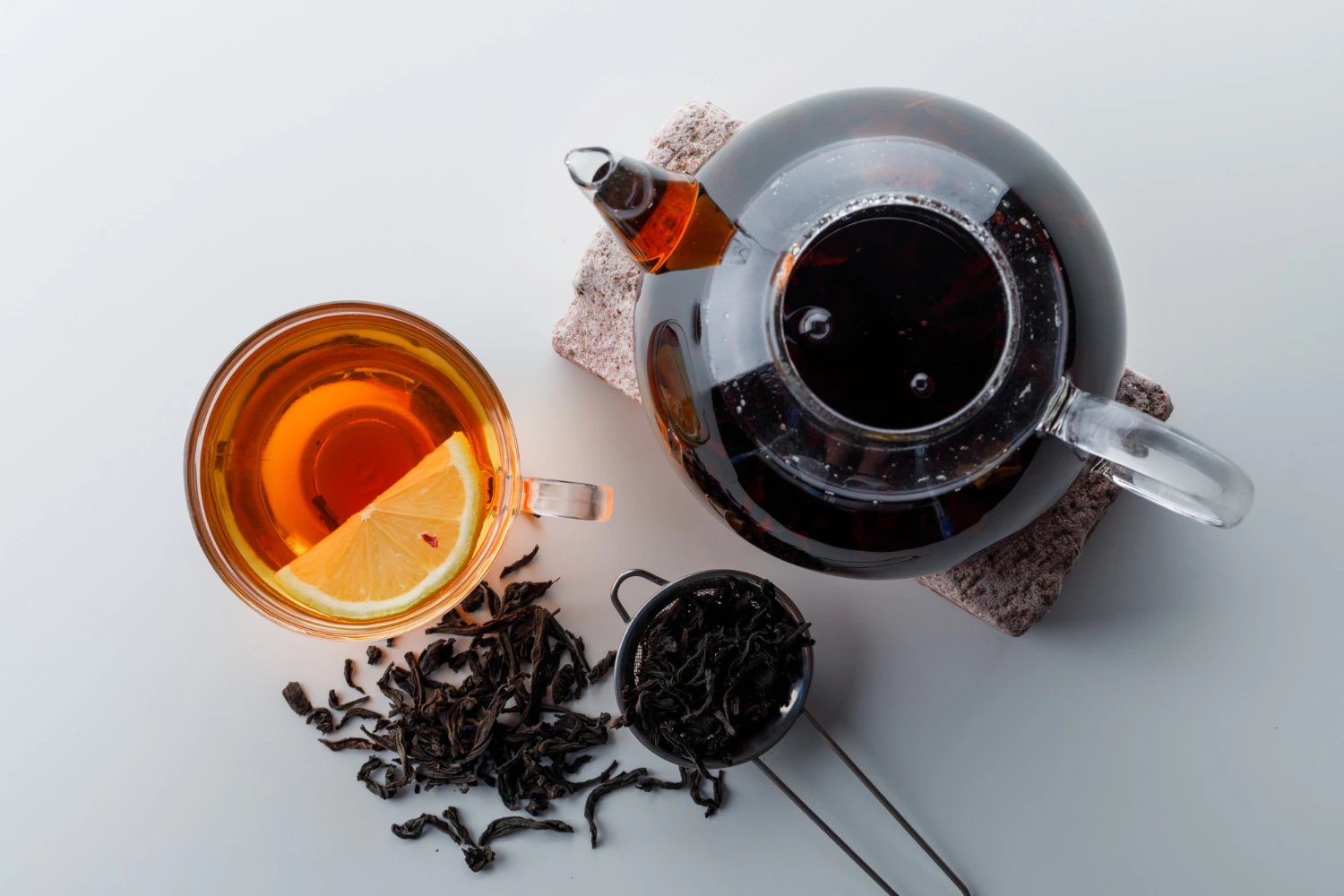
Reach for black tea. It carries the highest average caffeine content among true teas and pairs well with milk if you like a creamier cup.
For Relaxation
White tea or a lightly oxidized oolong works well in the evening, since both tend to be gentler on your system than bolder options.
For Health Benefits
Green tea and white tea carry the highest antioxidant levels, thanks to their minimal processing and short time from leaf to cup.
Herbal Tea vs True Tea
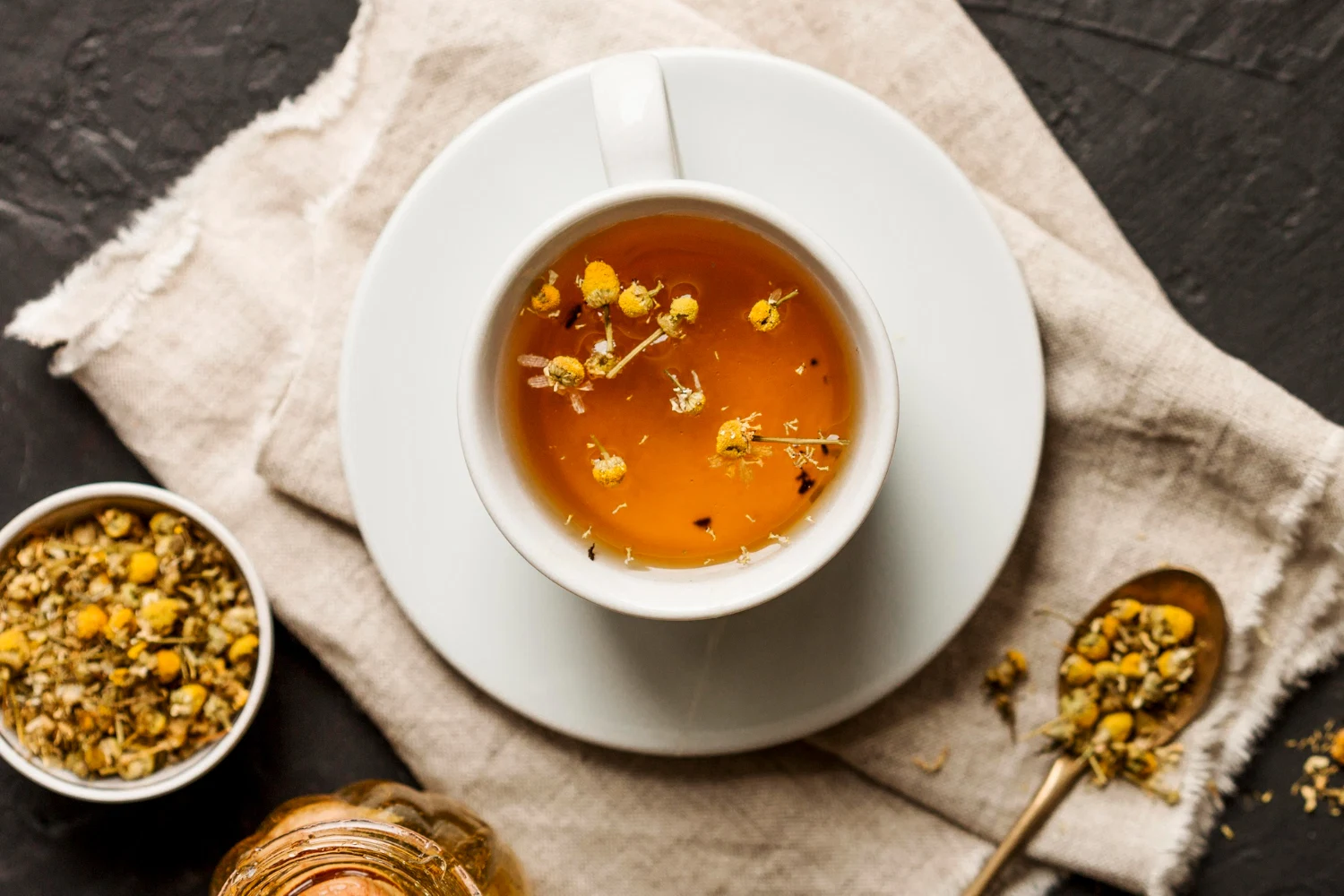
Herbal tea, technically called a tisane, does not come from the Camellia sinensis plant at all.
Instead, it is made from dried flowers, herbs, fruit, or spices, like chamomile, peppermint, or hibiscus.
If you are avoiding caffeine altogether, herbal blends are your best option, since none of the six true tea types are naturally caffeine-free.
How to Brew Each Type of Tea
Brewing the right way makes a bigger difference than most people realize.
Water temperature and steep time both need to match the tea type sitting in your cup.
Brewing Delicate Teas
White and green tea need cooler water, around 160 to 180°F, and a short steep of 1 to 3 minutes to avoid bitterness.
Brewing Oolong Tea
Oolong sits in between, so use water around 190°F and steep for 2 to 4 minutes, adjusting based on how oxidized your specific oolong is.
Brewing Bold Teas
Black and pu-erh tea can handle boiling water and a longer steep, usually 3 to 5 minutes, since their sturdier leaves resist turning bitter. That makes them two of the most forgiving types of tea to brew at home.